
The Grief and Growth in Independence


Independence is often described as the ability to do everything on your own. For me, independence has never been that simple. It has been something I’ve had to redefine over and over again—learning to hold onto my autonomy while also relying on others for the things I cannot do alone.
There is grief in that reality, that independence may not always look the way you imagined. But, there is also growth in learning that independence is not about doing everything by yourself, but about maintaining your sense of self, voice, and agency, even when you need help.
This blog is my attempt to explore that space in between: where independence and dependence coexist. Relying on others does not erase independence, and doing everything alone does not always mean you are free. The balance between the two is not something you find once. It is something you learn to navigate, again and again. To understand this, I’ve had to break independence and dependence down into forms they actually take in my life.
The Types of Independence I’ve Had to Redefine
Physical Independence
Physical independence is the most visible form. When most people think about independence, it results in some form of this question: “What can I tangibly do to be independent?” For a long time, I also believed this was the most important form. As a young, ambitious female with a condition called Spinal Muscular Atrophy, I have lived in a wheelchair my entire life, and there have been moments when I am deeply aware of how I need support. Every morning, I start my day with assistance from others, but this experience has taught me patience, adaptability, and resilience that physical independence alone may never have required. My independence has not disappeared—it has taken on a different form. One that exists not in doing everything alone, but in continuing to move through the world as myself, even when I need help along the way. Over time, I’ve learned that independence exists in many forms, and some of the most meaningful ones have nothing to do with what I can physically do on my own.
Redefining this has meant recognizing the parts of myself that make me, me. My thoughts, decisions, emotional strength, and identity. These forms of independence are quieter, often overlooked, but they become the foundation of autonomy. It is a reminder that independence is not defined by physical self-sufficiency, but by the ability to maintain ownership of who you are. You become who and what you want to be, regardless of whether you have a visible disability such as mine or something invisible that you may be going through.
Emotional Independence
While physical independence is often the most visible, emotional independence has been one of the most invaluable forms of independence I have developed and continue to develop today. It does not have to mean shutting people out or making it apparent that you don’t need support. It is about maintaining a sense of self: knowing who you are, trusting yourself and your intuition, and not allowing your worth to be defined by what you can or cannot do.
There have been moments where relying on others made me question myself in ways I didn’t expect. It can be so easy to internalize this idea that needing help immediately makes you less capable, or less whole. However, emotional independence has meant learning to separate my limitations from my identity. It has meant always giving myself a gentle reminder that the things I produce are what matter, not what may be foreseen about my value because my needs look different.
Emotional independence has also meant learning how to sit with my own experiences, process what I feel, and grow through it without losing that sense of self. That form of independence is what no one can take away from me.
Decision-Making and Identity Independence
My identity has never been about what I need; it has always been defined by who I am to whoever meets me. I am passionate, expressive, and deeply connected to the way I move through the world. My disability is part of my life, but it has never been the full story. My energy exists independently of what I rely on others to help me do. Perhaps a family member has had a dream for you, and you’ve always told yourself that is what you wanted to do, but never thought anything of it, because it would make other people happy if you lived up to their expectations.
Independence lives in the way you make decisions about your life. It lives in the ability to choose what you believe in, what you care about, and how you show up in the world. I still have ownership over my future, my relationships, and the person I am continuing to grow into, regardless of what caregiver comes to get me up for the day.
There is power in knowing and exploring your identity. You are not reduced by what you need, but rather expanded by everything you are. The people who come along the way are there for support, to be the backbone, even if you need them more than others.
The Types of Dependence I’ve Had to Accept
Physical Dependence
Physical dependence has been one of the most challenging dances I have had to modify and add some spins and twists to throughout my entire life. Physical dependence on others requires a certain amount of trust and vulnerability that most people don’t have to think about as much. There are parts of my daily life where I need someone else’s hands, time, and presence to get things done. That dependence isn’t occasional, but rather built into the structure of how I play my next move.
For quite some time, this was something I resisted internally. It was difficult to reconcile the person I knew myself to be with the reality that I can not always meet my own physical needs independently. There is grief in recognizing that your whole life requires support in ways that are permanent and unavoidable. Today, physical dependence teaches me how to trust others just a little more, accept help without feeling bad, and live fully knowing that I am getting help. But I have the sense of self and agency to mentally help others too, as the people in these roles get to know me, and I can get to know them and support them in ways that transcend beyond the physical relationship.
Systemic and Relational Dependence
Some forms of dependence go beyond the physical and tangible things, but exist within the systems and relationships that we build. My independence is not shaped by my motivation or mindset alone, but it is also influenced by access, approvals, support structures, and people I trust to be a part of my life. There are many times when my ability to move forward depends on timing, coordination, and decisions that exist beyond my control.
This has built patience and resilience, and it invites the opportunity to advocate for myself and others. To speak up for my needs, and stay connected to my voice when situations arise where I rely on systems that may not always support me, but are meant to. Healthcare is one of the largest support systems that are in my foundation that I need help from, and I play an active role in ensuring that it is what it should be, not only for my needs, but also for my community's. This sense of advocacy is important in any situation, and I have been fortunate to know exactly how to do this in any system. Dependence in this way has strengthened my awareness of myself. It has shown me the importance of surrounding myself with people who respect my autonomy.
Relationship autonomy has also shown me the value of trust. Choosing who to rely on and call when you are stuck is an act of agency in itself. It has allowed me to build relationships without being defined by what I may need. Through these experiences, dependence is not about losing control but learning how to exist in connection with others while being fully myself.
A New Definition of Independence
Living between independence and dependence has meant learning how to exist in a space that does not always have clear definitions. There are times when I felt I’ve had to prove my independence, but also my dependence. Not just to the outside world, but to myself. Times when I question whether relying on people made me less capable, or less in control of my own life. Society treats independence as something absolute, or black and white—something you either have or you don’t. It is far more complex than that, and I hope that by walking you through my experience, it shows you how much autonomy you have to change your life anytime you want.
I have learned that independence and dependence are not opposites. They exist alongside each other, shaping the way you move through life. In my case, I can rely on others for physical support and still maintain ownership of my decisions, identity, and future. My independence exists in the way I advocate for myself, the way I continue to grow and evolve, and the way I absolutely refuse to let my circumstances define the limits of who I am.
This tension between independence and dependence isn’t meant to weaken you, but make you more self-aware. It has taught me that independence is not about doing everything alone, but about remaining connected to yourself, even in the moments where you need support.
About the Author
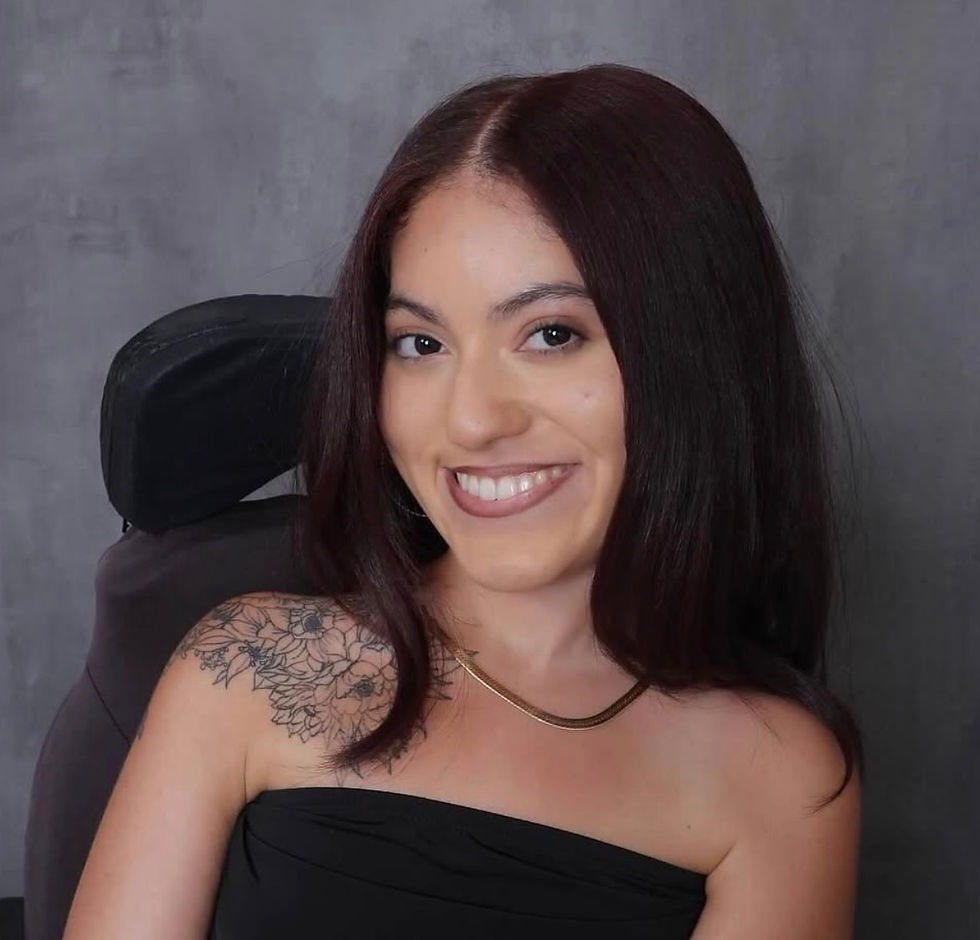
Maliylah Silva has an academic background in psychology and is pursuing a professional career in healthcare, where she has served in supportive roles assisting and advocating for individuals within care settings. She is deeply committed to advancing accessibility, patient-centered care, and informed advocacy through both her professional and personal experiences.
Maliylah also serves as a representative for a modeling platform dedicated to promoting inclusion and diverse representation. In addition to her healthcare involvement, she is an artist and small business owner who sells her original artwork and facilitates adaptive painting classes. Her work reflects a continued dedication to empowerment, creative expression, and expanding opportunities for individuals of all abilities.


Hi888 mình thấy mọi người bàn tán nhiều quá nên cũng bấm vào coi thử cho biết, chủ yếu xem giao diện chứ không có ngồi chơi hay đọc kỹ gì. Ấn tượng đầu là trang nhìn khá “thoáng”, kiểu chia khu vực rõ ràng nên lướt xuống không bị rối. Mình thích mấy chỗ họ trình bày thông tin theo dạng bảng cột, nhìn cái là hiểu ngay chứ không phải căng mắt tìm. Bấm qua lại vài mục cũng ổn, không bị giật hay load lâu quá. Nói chung cảm giác họ làm cho người mới vào cũng dễ bắt nhịp, nhất là cái menu đặt chỗ để khá nổi và các mục được gom nhóm gọn trên…
OK8386 COM nghe tiêu đề kiểu “link đăng ký tặng ưu đãi VIP 2026” cũng vui tai nên mình ghé thử cho biết; nói thật là mình chỉ lướt qua phần trình bày chứ không đào sâu gì cả, chủ yếu xem họ sắp xếp thông tin ra sao để người mới khỏi mất công mò, và cảm giác đầu tiên là mọi thứ để khá ngay ngắn, nhìn một lượt là nắm được khung nội dung; mình để ý các mục trên trang hay được đóng thành từng khối nội dung riêng, chữ tiêu đề rõ và khoảng cách ổn nên đọc không bị dính vào nhau, kéo xuống cũng mượt; menu điều hướng nằm chỗ dễ thấy nên…
hi 88 có dễ dùng không nhỉ? Mình thử lướt một lúc thì thấy khá ổn, bố cục nhìn vào là hiểu ngay chỗ nào ra chỗ đó nên không phải tìm mãi. Mình thích nhất là phần menu đặt ở vị trí dễ thấy, chuyển qua lại giữa các mục nhanh, bấm vài cái là tới đúng nơi cần (kiểu đang nằm trên điện thoại vẫn thao tác mượt). Thông tin hiển thị cũng trình bày theo dạng hàng cột khá thẳng, chữ với số canh đều nên đọc lướt vẫn nắm được, không bị rối mắt. Nói chung mình chỉ xem sơ thôi mà vẫn thấy mọi thứ sắp xếp gọn, đặc biệt là các khối nội dung…
thapcamtv nói thật lúc đầu mình cũng hơi ngờ ngợ kiểu “lại thêm một trang xem bóng đá nữa thôi mà”, nên mình chỉ vào lướt cho biết chứ không kỳ vọng gì, ai dè nhìn một hồi lại thấy cũng ổn áp theo kiểu gọn gàng, chữ nghĩa rõ ràng nên khỏi phải nheo mắt dò từng chỗ. Mình dùng điện thoại nên cái này quan trọng. Bấm qua mấy mục cũng nhanh, không phải đoán mò xem nút nào dẫn đi đâu. Mình có mở thử một luồng xem. Hình lên khá mượt. Không thấy bị giật kiểu đang cao trào thì đứng hình. Với lại mình thích cái cách họ để lịch thi đấu và bảng xếp…
789f.codes nói thật lúc đầu mình hơi nghi nghi, sợ kiểu trang rối hoặc toàn chữ dài lê thê; mà vào rồi thì thấy họ làm khá gọn, các khối nội dung xếp thẳng và dễ quét mắt, kéo xuống mượt nên đọc lướt cũng nắm được ý chính; mình có thấy họ nhắc con số hơn 500.000 thành viên với tỷ lệ giao dịch thành công 99% đặt ngay trong phần giới thiệu nên khá dễ chú ý, ít nơi ghi rõ vậy; menu để lộ rõ trên trang nên đổi qua lại các mục không phải đi tìm, chữ tiêu đề cũng sáng sủa, nhìn là biết đang ở phần nào, mấy box thông tin trên trang chủ…